Parking help for reservations, garage access and monthly permits across the United States

+1 (844) 324-7768

Spot Hero
Covered airport parking deck at dusk with painted stall lines and empty bays under ceiling lights

Reservations Guide

Park with a plan, not with luck.

How a parking reservation actually holds your space — from the search that picks the garage to the plate the gate reads when you pull up. Read it in the order you will use it.

Before you pay, verify four lines

  • Entry method and the exact entrance
  • Access hours and overnight permission
  • Cancellation and amendment cutoff
  • Plate, state, date and exit date
Search → Book → Enter → Amend Daily · Single-day · Multi-day · Monthly

Parking Reservations Guide

How parking reservations hold your space

A parking reservation is a time-bound agreement for a facility, not a universal promise of an empty marked stall. Two garages five minutes apart can sell you the same word — reserved — and mean two different things by it. One holds a numbered bay. The other grants you entry and a place to park inside a window, even when the sign outside says full.

That difference decides almost everything that follows: whether you can arrive late, whether re-entry is included, whether an overnight counts, and whether the gate opens at all. This guide walks search, booking, entry and amendments in the order drivers actually meet them, and names what to verify before you pay and what to carry when you arrive.

Applies to garages and lots booked through spot-hero.cc — daily, single-day, multi-day and monthly, across the United States.

The one rule under every product label

A reservation buys what its own listing says — a stall, access, or entry permission. Read which one before you compare the price.

The word reserved appears on every product on this site, and it is not doing the same job twice. The chapters below separate what each product promises from what it leaves to the facility.

Chapter One

What a reservation buys you

Most reservations buy the right to enter and park during a defined window at a specific garage or lot. Three common shapes sit under that sentence, and they are not interchangeable.

Access inside a window

The most common daily product. You buy the right to enter and park during the hours the listing states, inside a facility that may hold a mixed crowd of prepaid drivers and walk-in traffic. No bay carries your name; the facility's own capacity is the promise.

Verify: access hours, overnight permission, re-entry rules, height limit.

A permit that reserves a space

Madison's monthly model shows the idea clearly: a permit reserves a space even if the facility is marked full, without assigning one stall. You are guaranteed a place inside the structure, and you take whichever legal stall is open when you arrive.

Verify: billing date, stall rules, any legal stall versus reserved number, cancellation terms.

Entry permission only

Some listings grant admission and nothing more — the gate opens, you park where the facility's own rules allow, and pricing does not change if the deck is tight. Airport and event products sit here most often, which is why terminal shuttle details matter more than the promise of a numbered bay.

Verify: entrance to use, shuttle timing, whether the product covers the whole stay or a window.

Daily and airport products work the same way for shorter windows. The only reliable move is to read whether your product promises a stall, access, or entry permission before comparing prices, because the cheapest row on the page is often the narrowest promise.

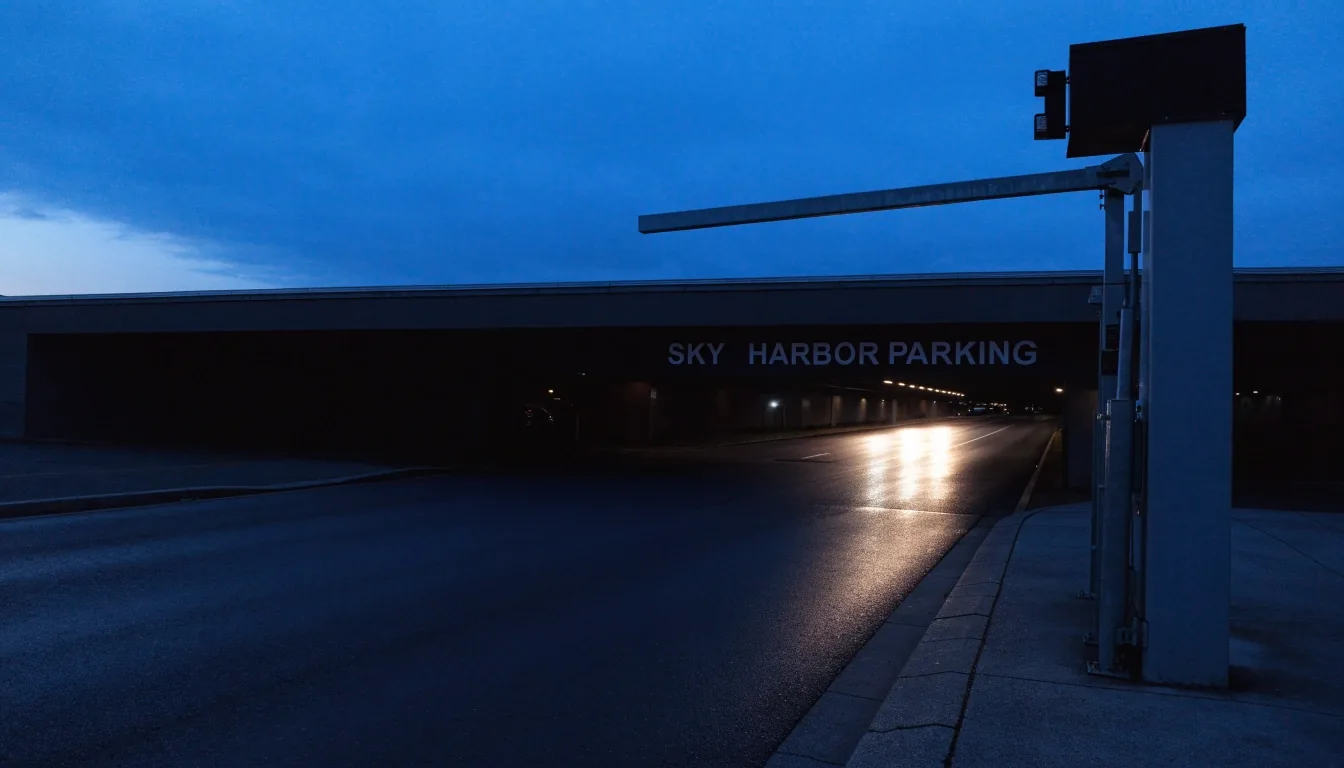
Entrance lane into a city parking structure at blue hour with a raised boom gate and wet asphalt

Chapter Two

Search by destination, filter by rules

Start with the address, terminal, or station, then filter by what matters for your trip. Overnight permission, access hours, height limits and in-and-out access often matter more than a short walk.

Search by the door you actually use

For a flight, search the terminal rather than the city. For a commute, search the station or office block. A generic address can turn up a garage across a highway from the entrance you need, and the walk becomes part of the price.

Filter by the rules that bound your trip

Sort the shortlist by overnight permission, stated access hours, vehicle height limit and in-and-out access.

Mind the height limit

On a weekend trip, low clearance is the reason a booking fails at the arm — not the price.

Confirm by audience

Airport travelers: confirm terminal shuttle details and time zone handling. Monthly shoppers: compare billing dates and stall rules before committing.

Read the pages that expand each one:

Airport Parking Reservations Monthly Parking & Permits
One car parked alone inside a concrete station parking structure at night with empty bays around it

Chapter Three

Daily, single-day and multi-day differences

Daily parking usually covers one calendar or 24-hour period defined by the operator, and the operator decides when that period begins. Two nearby garages can start the clock at midnight and at gate entry, which changes what you owe on a three-hour trip that spills past eleven at night.

BART publishes separate FAQs for Daily parking, Monthly Reserved parking, and Single/Multi-day parking — a good sign of why labels matter. Single/Multi-day at BART is the only option that permits continuous parking, including overnights, for up to 20 paid weekdays.

How the three labels behave

Daily

Window
One calendar or 24-hour period, defined by the operator
Watch for
Where the day starts — midnight or gate entry

Single-day

Window
A single stated day, entry and exit the same cycle
Watch for
Whether the exit time sits inside the labelled day

Multi-day

Window
Continuous stay capped at the paid-weekday limit
Watch for
The hard cap, and whether weekends count against it

Labels vary by operator. Choose the product that matches continuous versus commute use — and do not stack daily bookings to imitate an overnight, because that combination is usually outside the terms.

Chapter Four

Booking details that cause entry failures

Typos in license plates, wrong dates and AM/PM errors cause most entry problems, and the gate reports none of them kindly. The scanner compares the characters it reads against the record you saved; a plate that differs by one letter is a different vehicle to the system, and it is refused without an explanation.

Confirm time zone for airport bookings, especially for early-morning flights from Phoenix, where a reservation built in the wrong zone lands the entry on the previous evening. Save the confirmation number somewhere you can reach without phone signal — a note you can read before the exit, not a screenshot buried in an email thread.

Read these before you press pay

Vehicle plate
Every character, including the spacing and any distinguishing digit that looks like a letter. Match the physical plate, not the number you remember.
Plate state
The issuing state as it appears on the plate. A wrong state is as damaging as a wrong number to a plate-reading camera.
Entry date
The day the gate will first read you, not the day you booked the trip. For early-morning departures those differ.
Exit date
How long the stay actually runs. A short-window product cannot exit late without additional charges.
Time zone
Airport reservations run on the facility's own clock. If you booked from another zone, re-read the times before saving.
Confirmation
Keep the confirmation number offline — a wallet note or a saved card — so a dead battery at the barrier does not become a support ticket.

Chapter Five

Entry methods you will see

Garages use QR codes, license-plate recognition, attendant lists or access cards depending on the equipment they have fitted. Your confirmation should name the method and the exact entrance to use.

QR code at the barrier

Hold the code steady at the reader, not through a windscreen reflection. If nothing happens in a few seconds, use the help button before backing into the lane behind you.

License-plate recognition

The camera reads your plate, so the booking record has to match it exactly. Any mismatch — character, state, or a mis-saved digit — holds the arm closed.

Attendant list

The attendant checks your name or booking reference on a list. Have the confirmation number ready at the lane rather than on the way in, when the queue is already behind you.

Access card or fob

Common on monthly and permit products. Collect it where the listing says, and follow the collection instructions literally — the timing matters more than the directions.

Follow the entrance in your confirmation, not the sign over the road.

Some large airports have separate reservation entrances, and the general entrance may not hold your reservation. A gate that does not open is a reason to use the help button — not to reverse into traffic. If the gate still refuses a valid confirmation, contact support with the booking reference, facility name, plate and entry time.

Chapter Six

Amending a reservation before entry

Amendments let you change time, date or vehicle details without canceling and rebooking. That is the safer move on a moving flight: the original booking stays in place while the change goes in, and the price of the first booking usually carries over.

Sky Harbor allows amendments up to one hour before entry for most products — useful when a flight moves and the day of parking shifts with it. Little Man Parking uses a My Bookings workflow for managing bookings, which you open from the confirmation email. The pattern is the same everywhere: open the booking early and check whether the amend control is still active.

After the cutoff the automatic control is gone and the change has to go through the facility. Contact support before you drive if the plate or the date is wrong and the amend window has closed — a phone call from home costs less than a rejected barrier at 5 a.m.

How the amendment window tends to run

  1. Days before entry

    Most changes are available: time, date and vehicle details can all be edited from the booking management link, and the original confirmation is replaced with an updated one.

  2. One hour before entry

    The typical cutoff for the fastest products, including Sky Harbor. An amendment made inside this window is worth refreshing before you leave, because the confirmation record changes.

  3. At and after the cutoff

    The automatic amend control is closed. Contact the facility or support with your booking reference — do not assume an old confirmation will satisfy the gate.

  4. After entry

    Amendments stop being a booking matter and become an on-site conversation about the stay and pricing. Read the facility's rules before you leave the deck.

Two cars parked side by side in adjacent bays on the upper deck of a concrete parking structure at dusk

Chapter Seven

Multi-car and multi-day planning

If you travel with two cars or split a trip, book each vehicle separately with its own plate. A single booking cannot hold two cars, and a second car arriving on the first car's plate is read as a repeat entry.

Two cars

One booking per plate, on the same window.

  • Enter each vehicle's own plate, state and entry time.
  • Keep both confirmation numbers accessible, one per driver.
  • Yes — book the second car first if it is the one arriving off-peak.

Trip spanning days

Confirm one continuous stay, or a daily renewal — the two are not the same.

  • BART's 20 paid weekdays limit for Single/Multi-day parking is a good example of a hard cap.
  • Read whether the product permits continuous parking, including overnights.
  • Do not stack daily bookings to simulate an overnight product without checking permission first.

Chapter Eight

Common beginner mistakes to avoid

Beginners book the cheapest lot without reading access hours, assume re-entry is included, or miss the cancellation window. Another frequent error is booking a municipal field for an overnight stay where the operator states overnights are not allowed.

The mistake

  • Booking the cheapest listing without reading its access hours.
  • Assuming re-entry is included in a daily product.
  • Missing the cancellation window and paying for a stay you did not use.
  • Booking a municipal field for an overnight where it is not allowed.

The check that catches it

  • Read the access hours line on the confirmation before you pay.
  • Look for the in-and-out rule, spelled out in the listing.
  • Note the cancellation cutoff and set a reminder for the evening before.
  • Confirm overnight permission on the facility's own listing page.

Read the four lines — entry, hours, cancellation, overnight — before you pay. That short check prevents most support tickets and most barred barriers, and it costs a minute at the booking screen rather than twenty minutes in a lane at midnight.

Chapter Nine

What experienced drivers evaluate

Vague listings get skipped. Specific policy language wins repeat bookings.

Regulars compare enforcement clarity, amendment flexibility and permit language. They prefer listings that state in-and-out access explicitly and name the refund timing. They also note whether a monthly permit means any legal stall, as Madison states, versus a reserved numbered space — because those two promises behave differently on a Friday night.

  • Stated in-and-out access

    If the listing does not say it, assume it is not included and plan the trip around one exit.

  • Named refund timing

    A stated window tells you whether a change of plan still refunds, and how long the credit takes.

  • Permit language that holds up

    Any legal stall is a different product from reserved number 47. Read which one you bought.

  • Enforcement clarity

    The listing should name who checks the permit, and what happens if a stall is occupied.

Questions we answer most

Two things drivers ask before the gate

If your case is not covered here, the support page lists the phone, address and email for spot-hero.cc, along with what to include so the reply is quick.

What happens if I arrive early or late?

Many facilities allow a grace period, but the reservation window controls pricing and access. If you arrive outside the window, you may pay extra or need an amendment. Check the access hours on your confirmation, and if your flight is running early, open the booking before you drive — the amend control is faster than the barrier's help button.

Can I change my license plate after booking?

Often yes before the amendment cutoff. Sky Harbor allows amendments up to one hour before entry for most products. Use the booking management link, then verify the new plate appears on the updated confirmation — not just the old one in your inbox. If the plate change lands after the cutoff, contact support with the booking reference before you drive.

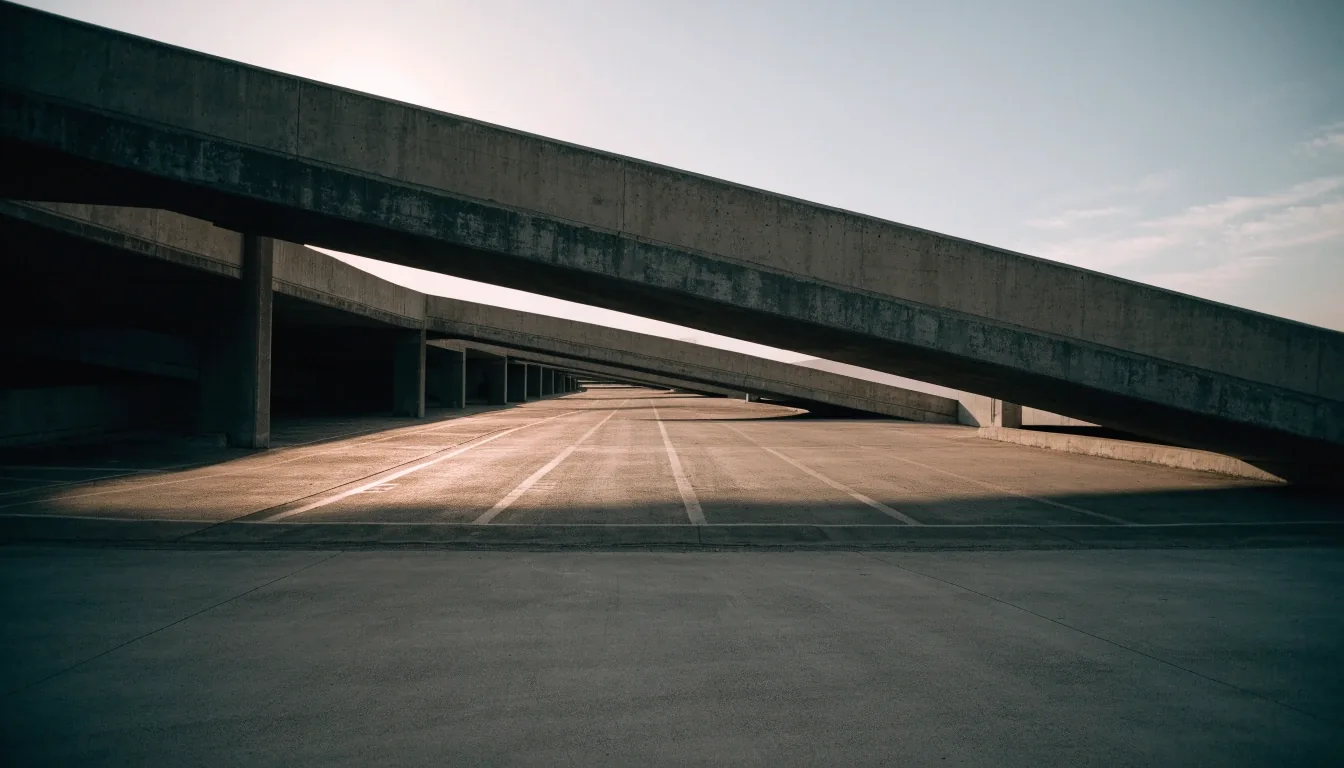
Empty concrete parking structure at dawn with soft morning light across the stall lines

When to contact support

Get in touch if the instructions fail you

Contact support if entry instructions are missing, the plate is wrong after booking, or the gate rejects a valid confirmation. Include the booking reference, facility name, plate and entry time — photos of the gate sign help. For billing questions, note the charge date and amount. Our contact page lists the phone, address and email for spot-hero.cc.

Mon–Fri · 9:00 AM – 6:00 PM

125 S. Clark St., Suite 1300
Chicago, IL 60603

+1 (844) 324-7768
[email protected]